
A Brave Sis Project Solidarity and Unity Lab Workshop for Groups
Can’t We All Get Along?
Mean girls, nice girls, and the stumbling blocks between us and real change.
A live, three-hour virtual workshop for teams, boards, and community groups ready to explore the human side of internal discord, so shared vision, mission, and progress can rise above disunity and personality differences.
Personality differences, not character flaws, are often at the root of conflict in spaces united by a shared mission. Who is in your group?
Being comprised of actual human beings, many groups contend with a familiar pattern: there’s one member who preserves harmony at any cost, one who refuses to soften a difficult truth, or another whose presence can feel exhausting for reasons no one can quite put a finger on.
In a society that has conditioned women especially toward conformity, pleasing, and clique-based belonging, such dynamics can become pronounced to the point of undermining the actual work at hand. Too often, such disconnects get dismissed as personality quirks or reduced to “that’s just how she is,” when in truth they are something more specific and manageable.
The fact is we’re often dealing with two or more people, each legitimately protecting deeply held beliefs and approaches to life, but whose instincts are fundamentally at odds. Although neither is at fault, in our charged and often urgent mission spaces, it can feel frustrating or worse.
This workshop gives your team a shared, specific language for the dynamics at play, so shared vision, mission, and progress are not upended by disunity and necessary friction. Let’s get to the root of it.
For Any Group Building Solidarity Across Difference
This workshop is not limited to boards and staff teams; it is equally suited to PTAs, community organizations, social groups, congregations, and any gathering of people working to build genuine solidarity and unity across meaningful difference, whether that difference is racial, generational, ideological, or otherwise. What unites the audience is not organizational type but shared commitment, members who return to one another again and again rather than strangers convened for a single afternoon.
- Eight-person minimum
- Conducted live and virtually: no travel required
- Three hours, with an intermission at the midpoint
Eight Archetypes in Our Spaces
Every team, family, or organization contains some combination of eight recurring value-orientations, and naming them accurately is the foundation of the entire workshop.
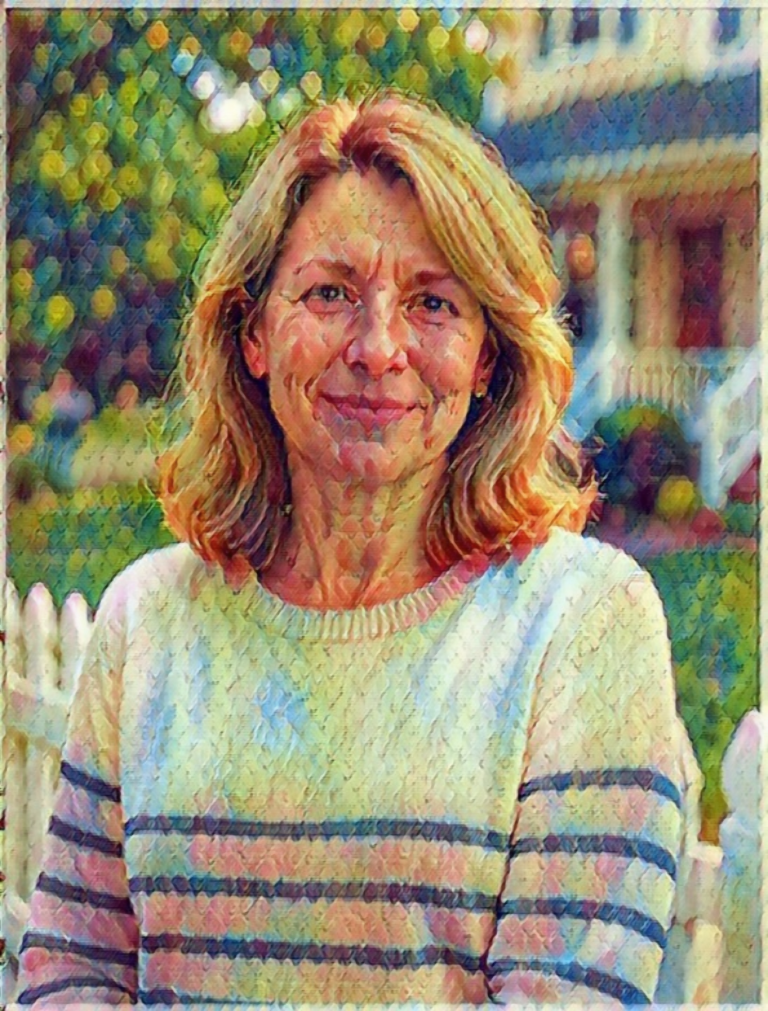
Greta the Grounded Neighbor
decency, stability, respect
Greta wants everyone around her to feel civil, kind, and basically fine. She’s comfortable with conversation, uncomfortable with confrontation. She is often the default posture of people who genuinely care but haven’t yet been asked to risk anything. She is the unengaged majority, and without Greta in the mix, solidarity work remains a small circle talking to itself.
What’s risky about Greta: Good vibes can substitute for actual commitment, civility gets mistaken for justice. She rarely experiences herself as unengaged.
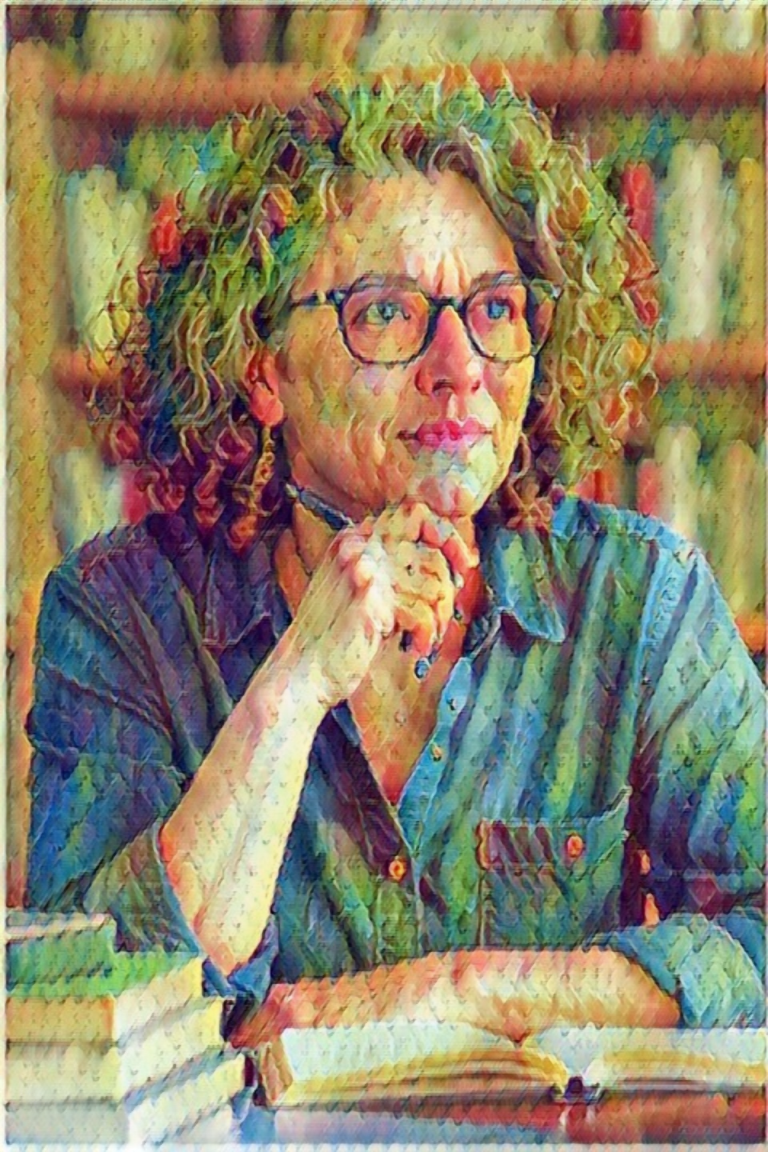
Paula the Pattern Seeker
pattern, history, complexity
Paula sees throughlines and recognizes this moment as part of a much longer pattern. She reaches for historical grounding before she reaches for a reaction. Often academic in temperament, she’s more about analyses than feelings. Paula protects the group from repeating avoidable mistakes and from getting blindsided by predictable backlash.
What’s risky about Paula: Pattern fluency can turn into fatalism and drain momentum, and intellectual complexity can remove people from taking action. You’ve heard of analysis paralysis? That’s the biggest worry with Paula.
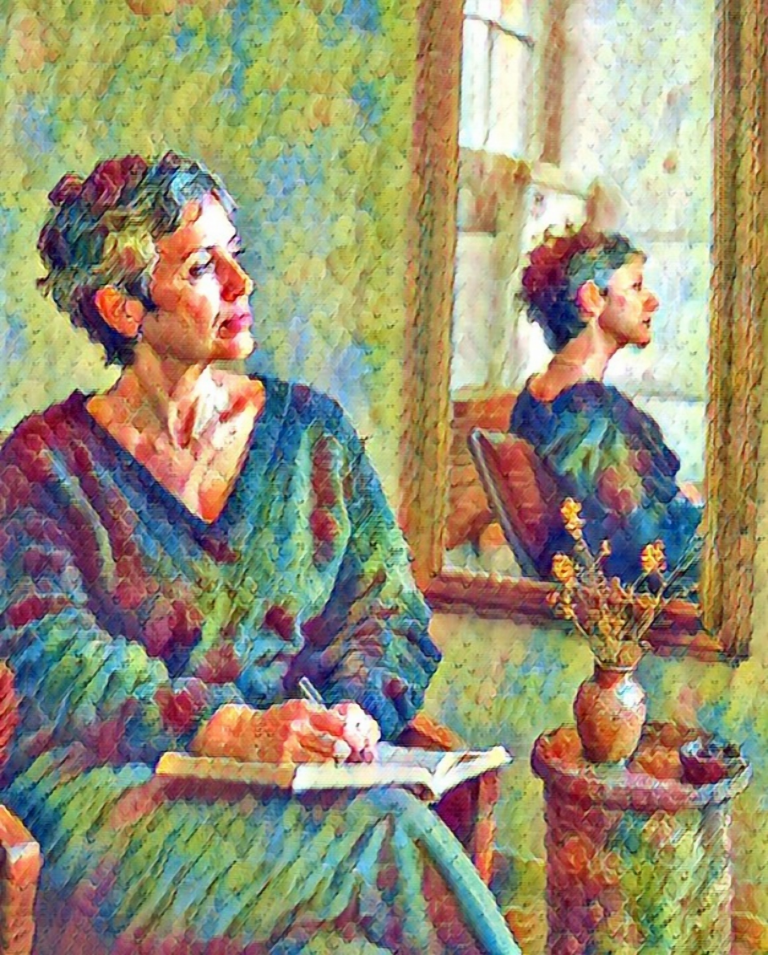
Annette the Aligned Self
alignment, accountability, integrity, lived through the language of inner work
Annette is very therapy literate, fluent in feelings, alignment, and “doing the work” as an internal, often spiritual practice. She processes, journals, sits in circle, names her feelings honestly, and genuinely believes inner alignment is the foundation everything else stands on. Modeling emotional honesty helps others prevent burnout and stay authentic and engaged.
What’s risky about Annette: mistaking the feeling of alignment for the fact of it can easily morph into performativism without material change around money, power, position, relationship, or change.

Bonnie the Bridge Builder
relationship, courage, showing up
It’s Bonnie who actually maintains the day-to-day relationships across difference that make coalition possible, especially when things get uncomfortable. She is often the real infrastructure of trust in the group, holding things together when structural agreement alone isn’t enough.
What’s risky about Bonnie is that her need for closeness can devolve into conflict avoidance, or she may treat someone else’s boundary as a personal rejection and therefore seek to pursue reconciliation above everything else. Sometimes this results in the harmed person absorbing a bigger cost just to protect Bonnie’s comfort.
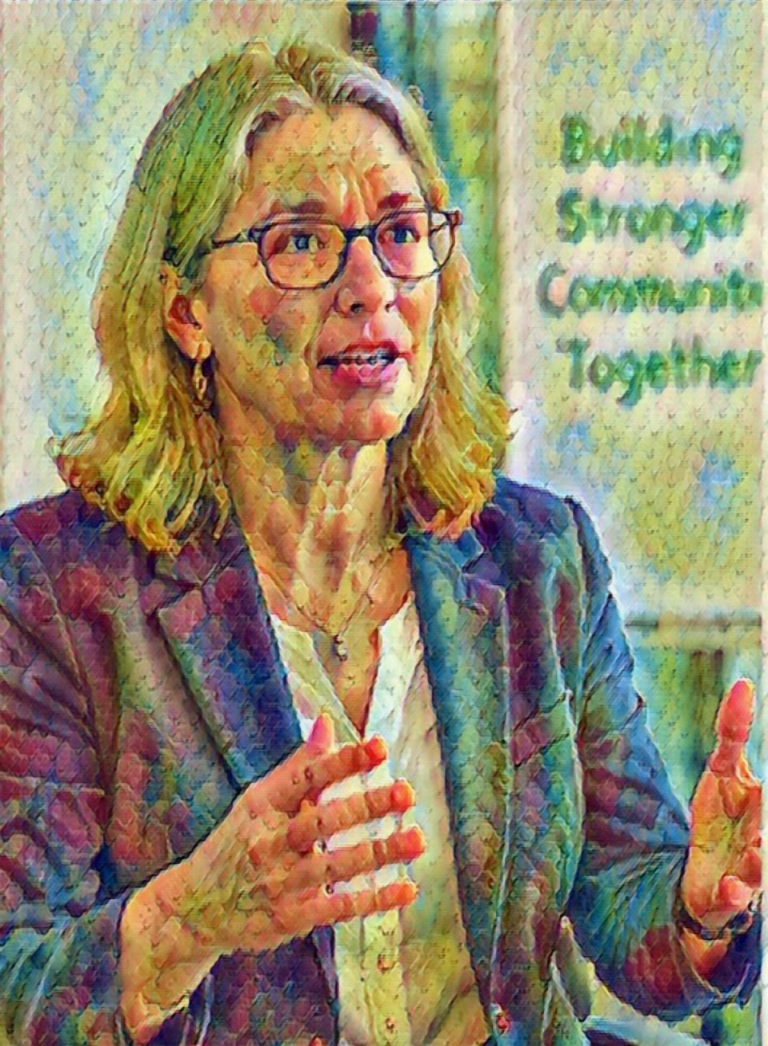
Susanna the Systems Shaper
systems, policy, impact
Susanna translates injustice into policy, budget lines, and institutional change. She thinks in mechanisms, not just sentiment. Without her, solidarity stays feeling and never becomes redistribution. She’s essential to actually shifting power and resources, not just moods.
What’s risky about Susanna: like Paula, she can detach “outcomes” from “change.” Susanna risks treating people as instruments of the larger campaign and thereby deprioritizing individual harm or relational repair in service of “the bigger win.” People might feel used rather than seen or heard, and this corrodes the very trust that makes coalition possible.
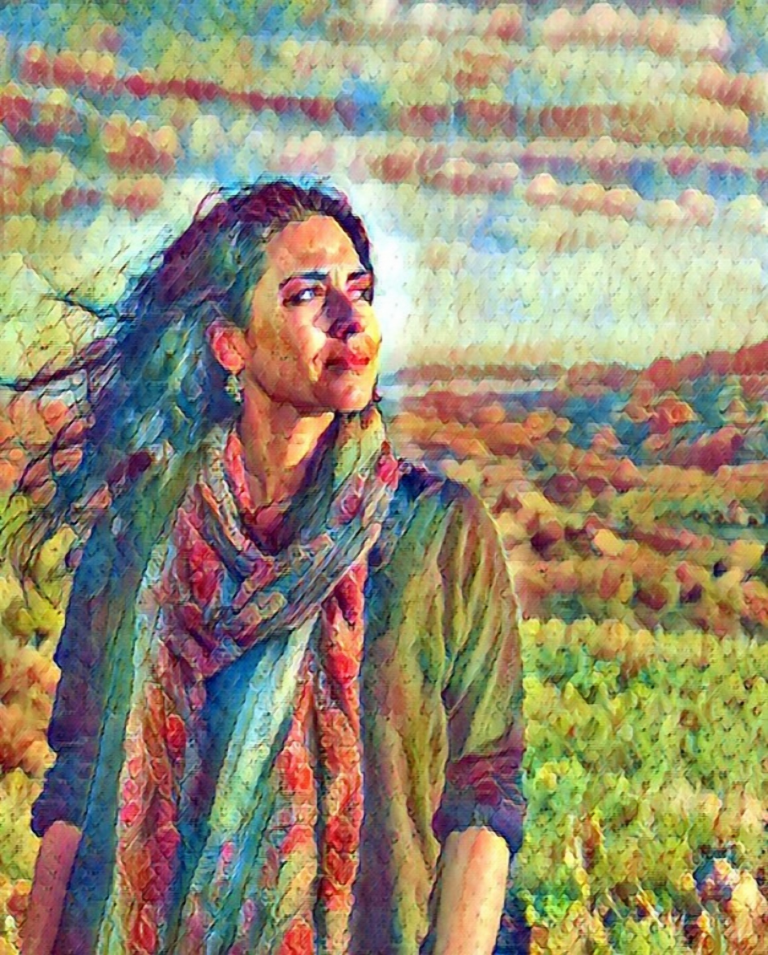
Frances the Freedom Fighter
vision, freedom, thriving
Frances is the movement-maker. She refuses to let survival get mistaken for liberation, and she will never not name the fuller goal as the center. It doesn’t matter if doing so is upsetting or exhausting to others. Thanks to Frances, the goals remain mission-focused and push towards justice.
What’s risky about Frances is she may have trouble letting “enough” or “a win” be declared by anyone else than her. She can burn others out, drive them away, or make them feel inadequate. If she is unforgiving of others who are less hard-core than she is, there is a real risk of fracture.
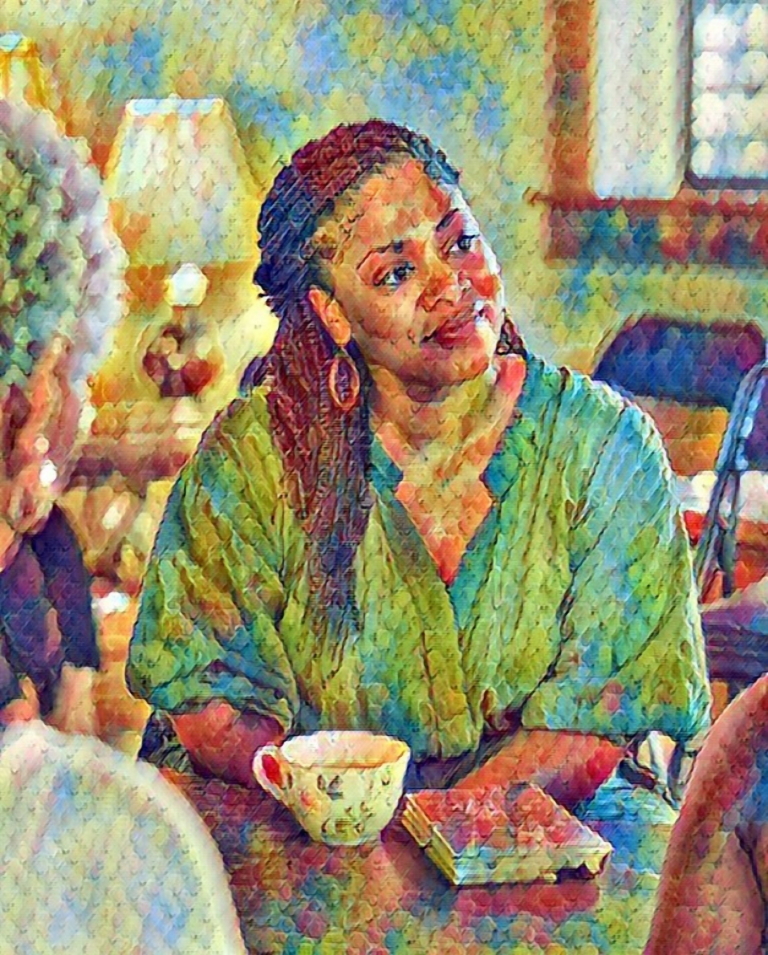
Tricia, Who Is Tired
cost, boundaries, exhaustion from extraction
Tricia is the Black woman who remains in mixed-race spaces, due to either professional or personal will. She is tired because she always has to both bear the extraction and name the labor that the coalition and work actually cost her, but increasingly, she refuses to stay silent and invisible for the sake of everyone else’s comfort.
What’s risky about Tricia is how she is received by the six prior archetypes. When her boundary is treated as an obstacle instead of information, the conflict that follows is usually the exposure of a problem that already existed, not something she created. If she pulls away, it is a tangible loss on many levels.
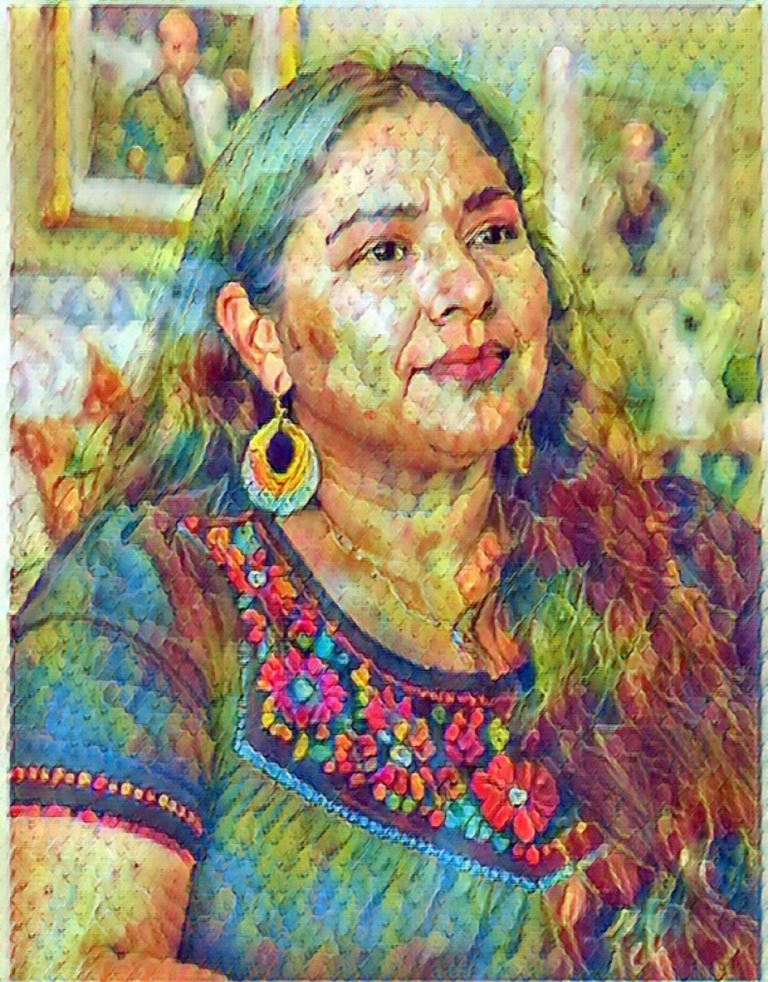
Sistergirl Sofia, Saying no to Separation
inside-the-community work, confronting anti-Blackness with integrity
Sofia is a “Brown” woman whose familial and cultural quest for adjacency to “whiteness” has created narratives and mindsets she now rejects. She is committed to convey these hard truths of assimilation (colorism, classism, etc.) to her own people, at real cost. She does this not because she is angry at them, but because she loves them. But she can often feel frustrated and needs coalition support that is honest and trustworthy.
What’s risky about Sofia: She can be left to carry a disproportionate share of this internal repair work alone, especially when external allies expect quick, comfortable resolution on their own timeline instead of actually supporting her.
This is just a sampling of the many engagements we offer groups and teams. Please consider taking our team EQ assessment as a first step, and then we are happy to conduct a discovery call to determine how we can best serve you.
Two of the eight occupy a distinct position within this framework: Tricia and Sistergirl Sofia name the particular costs and accountability that Black and other women of color often are forced to endure within solidarity work, namely the labor of setting boundaries against extraction and the labor of confronting harm inside one’s own community.
These two archetypes function as essential foils within the model rather than interchangeable categories, and understanding their place is part of what makes solidarity across difference genuine instead of symbolic.
A Brief Preparation, Then the Substantive Work
In advance of the session, each participant completes a brief, complimentary persona assessment and arrives already aware of their dominant orientation, allowing the live session to forgo introductory groundwork and proceed directly to what matters: what each person is protecting, where your team’s genuine friction concentrates, and how to engage it constructively.
Three things every team leaves with:
- A shared framework of eight value orientations, and clarity regarding which are actually present within your team
- A candid assessment of your people’s specific blind spots and recurring points of friction
- One small, concrete tool to employ the next time such friction arises
Investment
Pricing is tailored to your group size and format, ranging from $2,800 to $4,500 for groups of 8–20 people. A discovery call will provide an exact quote.
Pursuing This Practice Independently?
For those not yet prepared to bring their entire team, Brave Awareness is the self-paced course from which this workshop is drawn, designed for the individual practitioner working at her own pace.
Bring This to Your Team
A twenty-minute discovery call is the most direct way to determine whether this workshop suits your board, staff, or organization, with no pressure and no pitch deck required.
We have recently moved our site to a new enterprise server. If you experience any tech issues, please contact us at info@bravesis.com